
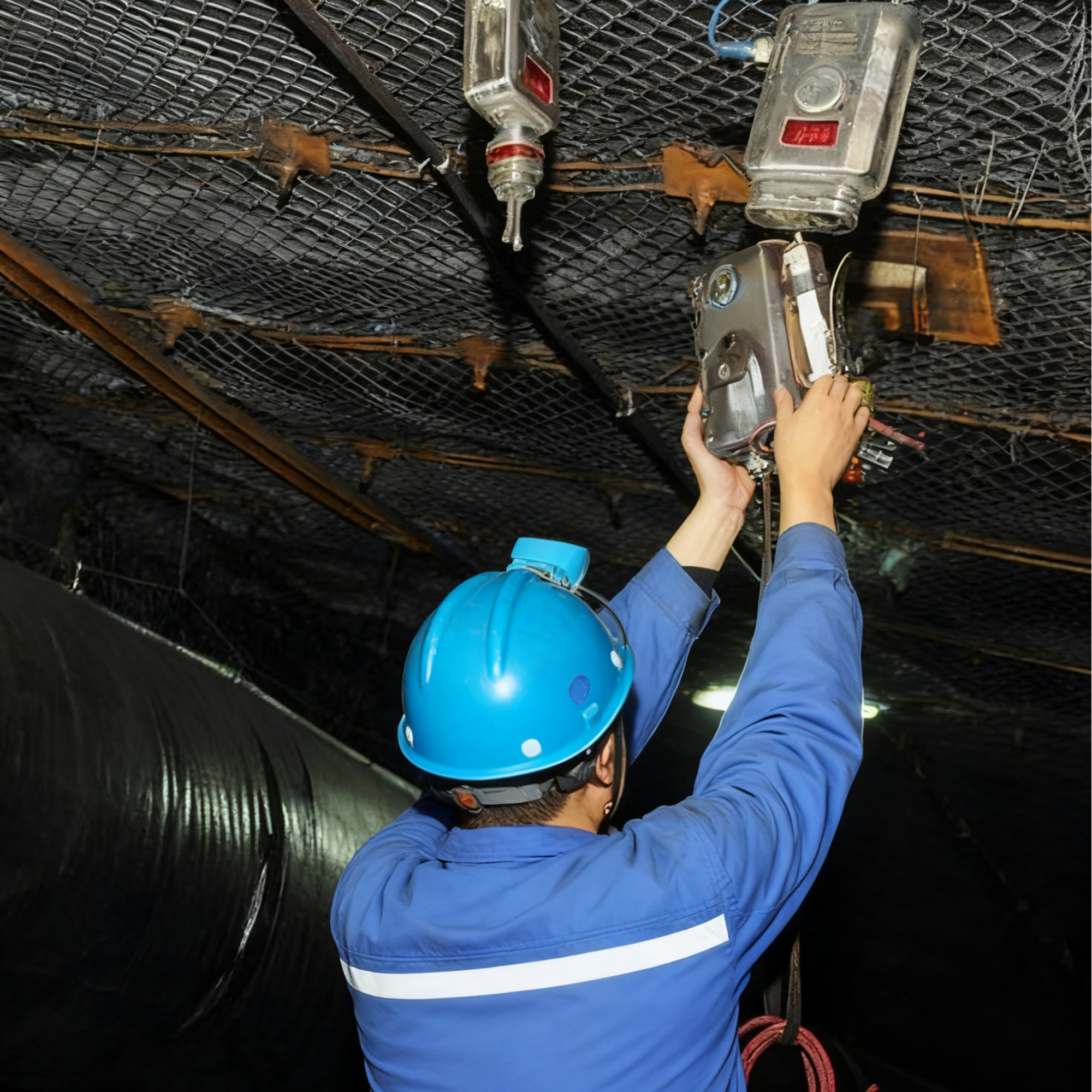
Application of Carbon monoxide gas concentration monitoring
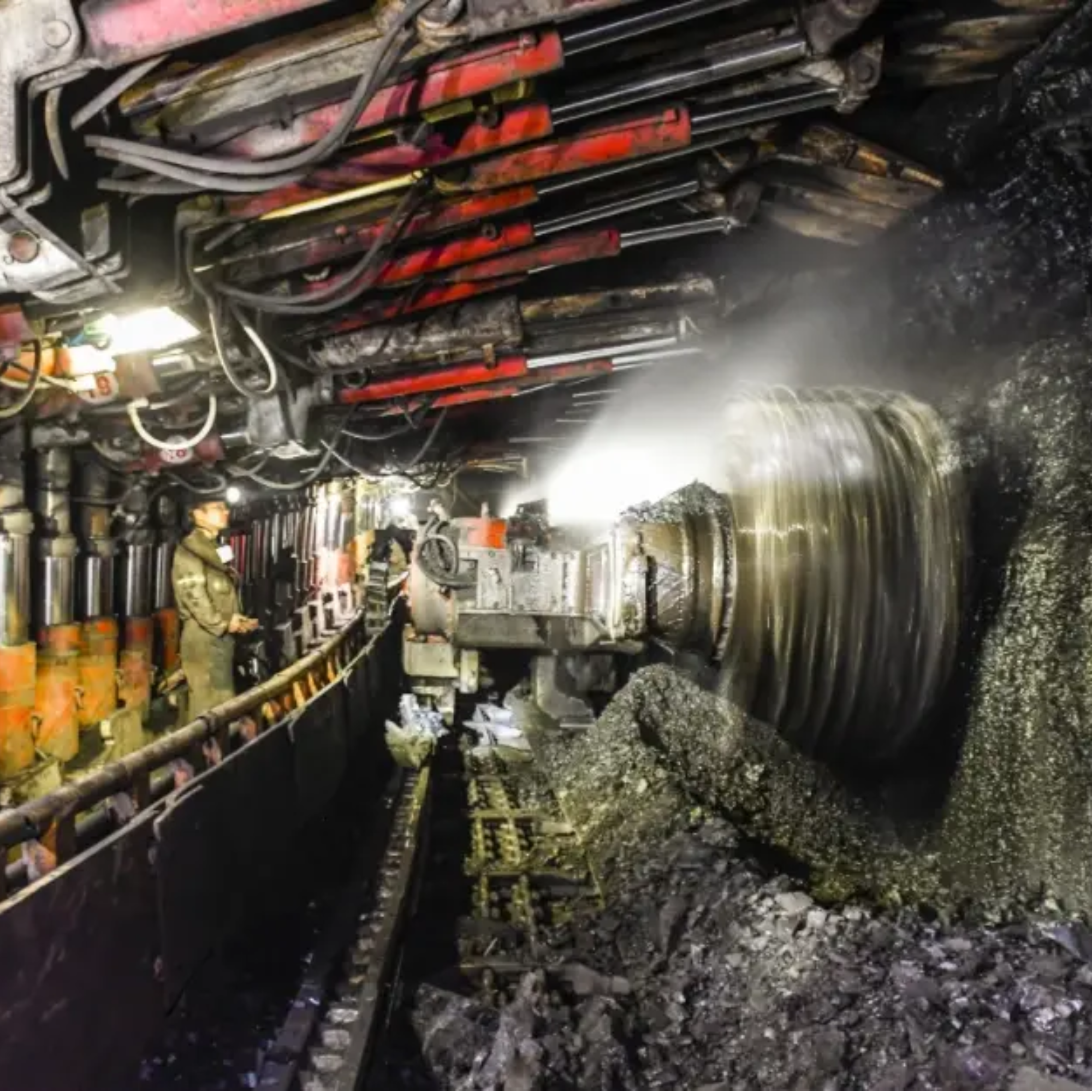
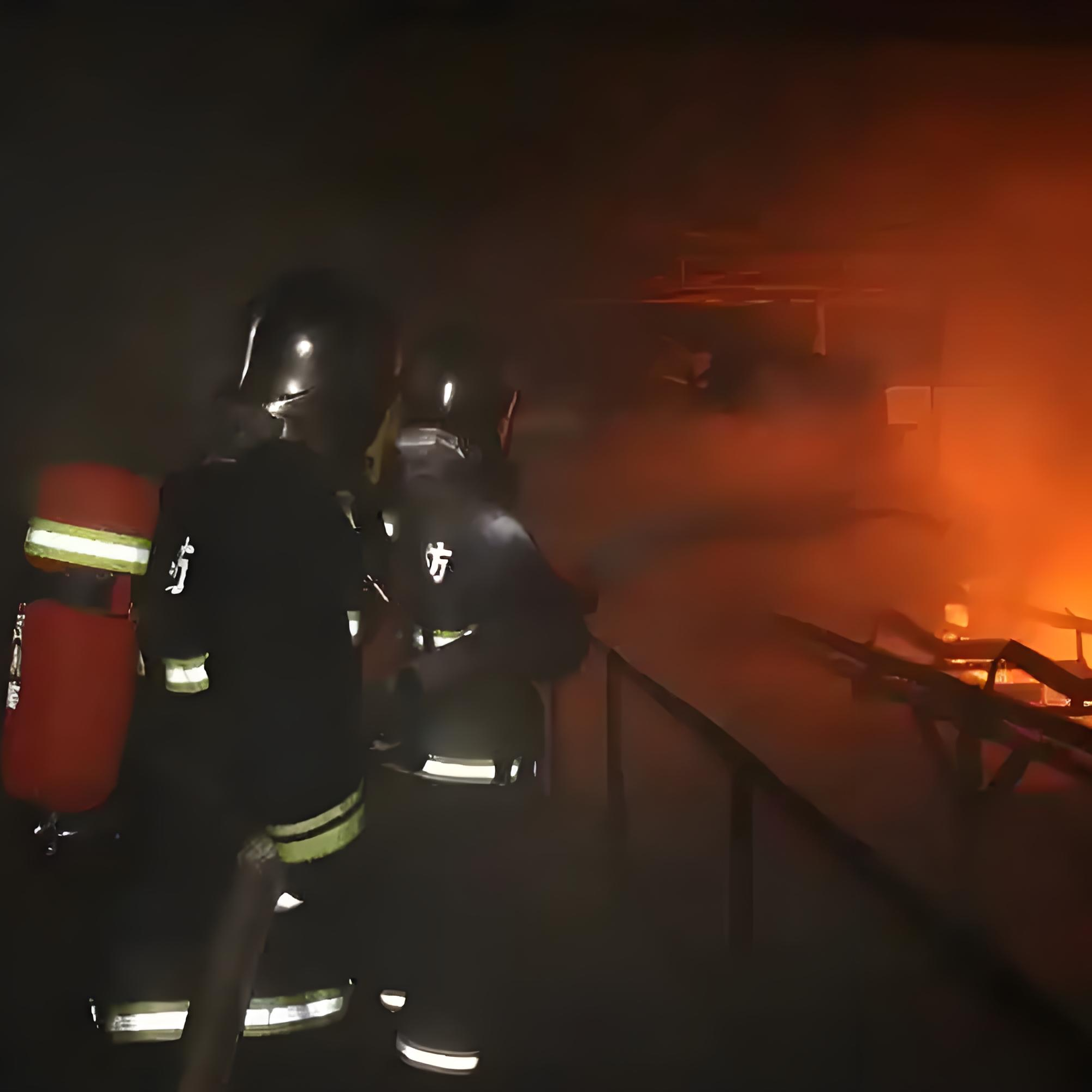
The primary sources of carbon monoxide (CO) in underground coal mines include spontaneous coal combustion, coal oxidation, and blasting operations. These processes intensify in confined underground environments, causing CO accumulation and creating significant hazards.Consequently, real-time precision monitoring of CO concentrations is critical for preventing poisoning incidents and protecting miner health.
China's coal mine safety regulations explicitly mandate continuous monitoring of hazardous gases like CO to ensure compliance with national safety standards. This reflects both a commitment to miners' welfare and the corporate social responsibility of mining enterprises.
Technological advancements have significantly enhanced carbon monoxide (CO) detection capabilities in underground coal mines, with modern sensors and intelligent monitoring systems providing robust real-time monitoring, early warning functionality, and immediate emergency response activation when required, thereby establishing a formidable safety barrier for mining personnel.These systems establish robust safety barriers for underground personnel.
In summary, CO monitoring in underground coal mines is imperative due to its lethal toxicity, stringent regulatory mandates, and evolving safety demands driven by technological progress. Sustained advancements in detection capabilities remain critical to ensuring mining safety and operational continuity.

 QQ
QQ