
Fire Source Localization in Coal Mine Goaf Areas
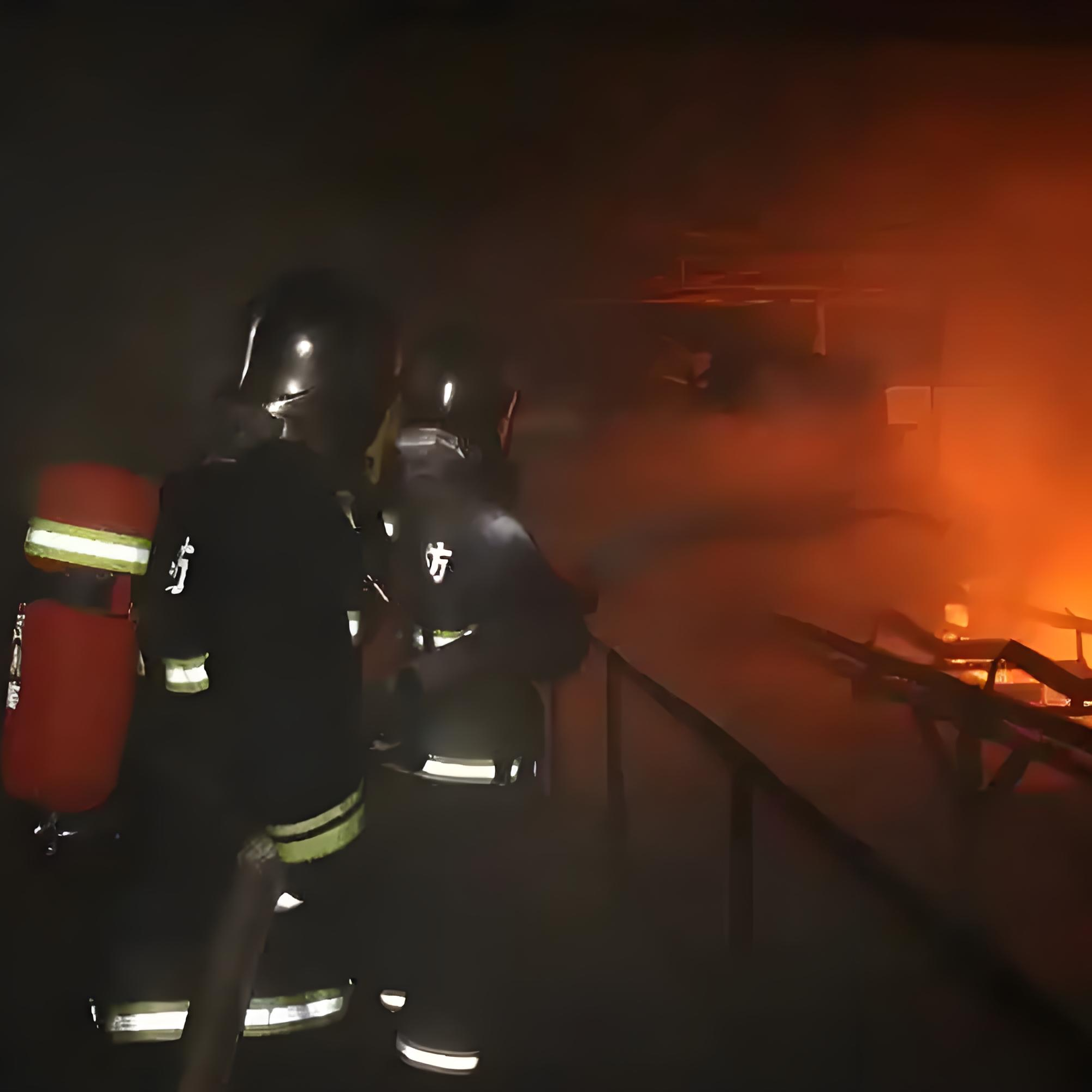
Fire source localization in goaf areas represents a critical safety imperative in coal mine operations, directly impacting worker safety and enterprise stability, where these abandoned extraction zones become high-risk combustion sites due to complex geomechanical conditions and inadequate ventilation, with uncontrolled fire propagation potentially causing not only significant coal resource depletion but also secondary disasters including gas explosions, thereby constituting a severe threat to overall mine safety.
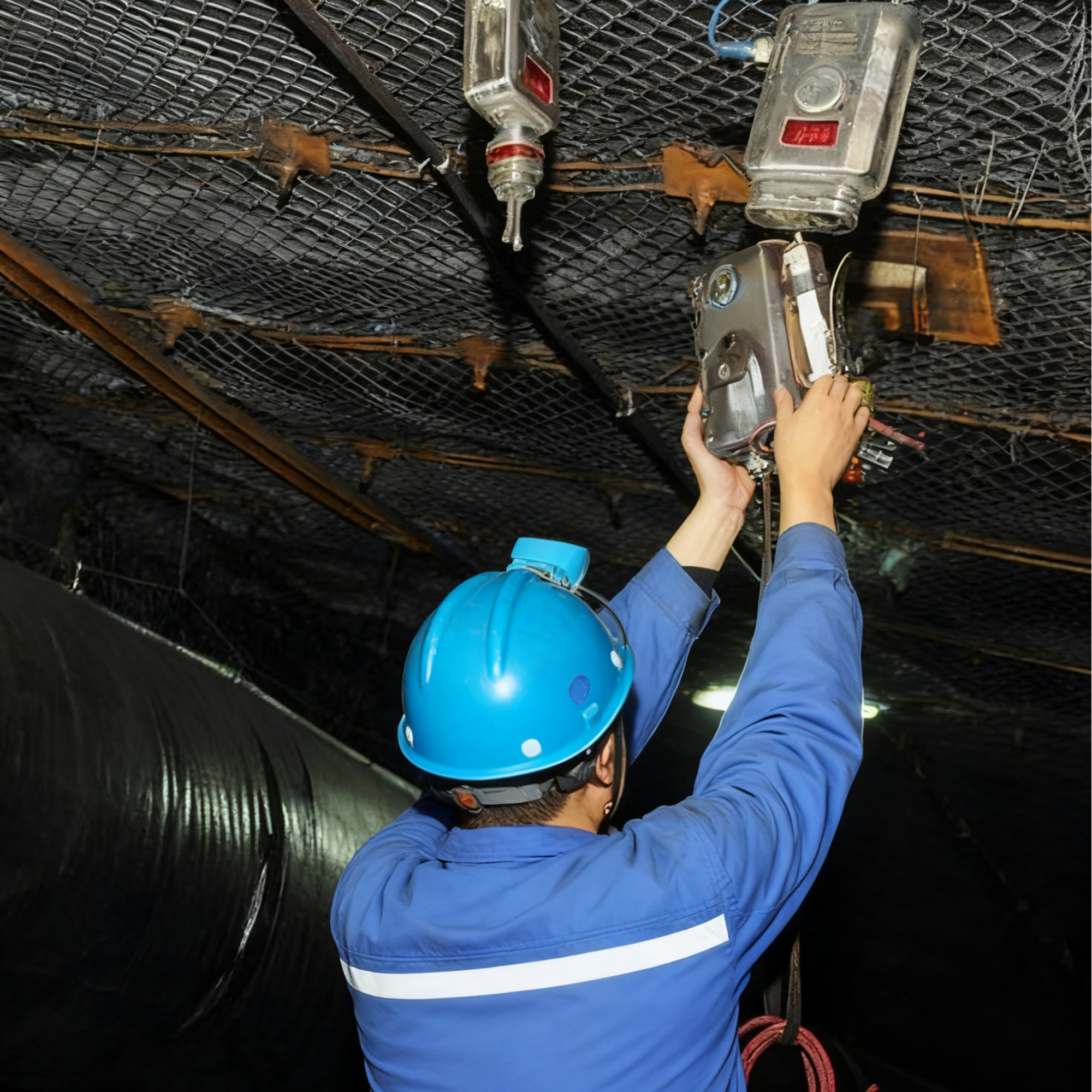
Consequently, precise and timely fire source localization in goaf areas is mission-critical. Advanced detection technologies—including infrared thermography and multi-gas analysis—enable real-time monitoring of thermal anomalies and atmospheric compositions, facilitating rapid identification of combustion hazards. Upon confirmation of fire coordinates, operators can execute targeted suppression protocols to contain combustion propagation and preserve mine integrity.
Precise fire source localization in goaf areas generates critical operational safety intelligence for mining enterprises, enabling comprehensive analysis of combustion triggers and propagation dynamics to develop optimized prevention and mitigation strategies - a fundamental requirement for elevating mine safety protocols and minimizing fire-related incidents.
In summary, fire source localization in goaf areas constitutes an essential component of comprehensive coal mine safety management systems. Continuous advancement in detection technologies—enhancing both spatial precision and temporal responsiveness—represents the fundamental approach to mitigating mine fire risks, thereby safeguarding personnel welfare while ensuring operational continuity and enterprise sustainability

 QQ
QQ